780 Salem Ave, Elizabeth, NJ 07208 | 908.469.1211
OUR BLOG
A Statewide Arts Initiative in Juvenile Justice Settings
Creative Pathways Across New Jersey: Transforming Juvenile Justice Through Arts Education
A yearlong, innovative arts education initiative introduced creative opportunities to youth throughout New Jersey’s juvenile justice system, spanning both secure facilities and community-based homes. This program offered participants more than just exposure to the arts—it fostered personal growth, resilience, and new rehabilitation pathways. The Institute of Music for Children led the effort with the New Jersey Juvenile Justice Commission from November 2024 to November 2025, focusing on long-term engagement to support rehabilitation, skill-building, and emotional growth.
A Program Spanning the State
Over the course of the program cycle, 85 youths aged 15 to 20 participated in arts classes offered at seven juvenile justice facilities across New Jersey. Participating sites included the Juvenile Medium Security Facility, Female Secure Care & Intake Facility, Costello Prep RCH, Vineland Preparatory Academy, Ocean Residential Community Home, and Warren RCH.
Running a program of this size took ongoing coordination across different parts of the state, since each facility had its own schedule, rules, and security needs. The initiative reached youth in five counties: Middlesex, Essex, Cumberland, Ocean, and Warren, showing its wide impact across New Jersey.
The Institute of Music for Children sees this program as part of its ongoing commitment to arts education in juvenile justice settings. By offering flexible, skill-based programs, the organization helps youth build creative outlets, emotional strength, and practical skills that last beyond their time in care.
Structure and Curriculum
Programs ran in 4-, 8-, and 14-week formats, with most facilities offering the full 14-week cycle. Classes met once a week for 60 to 90 minutes, so many students could take up to 14 classes in one art form.
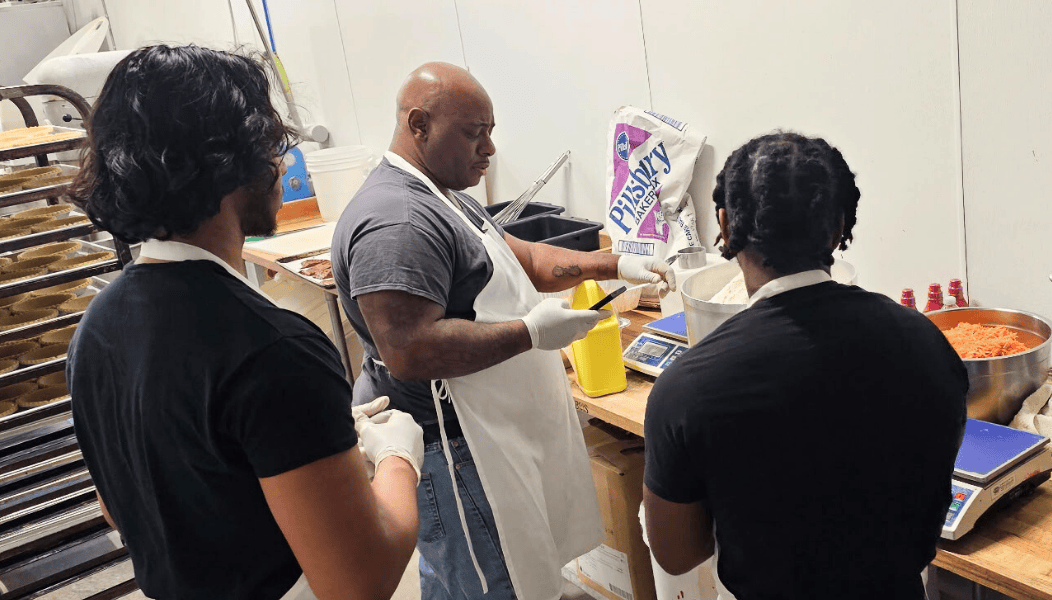
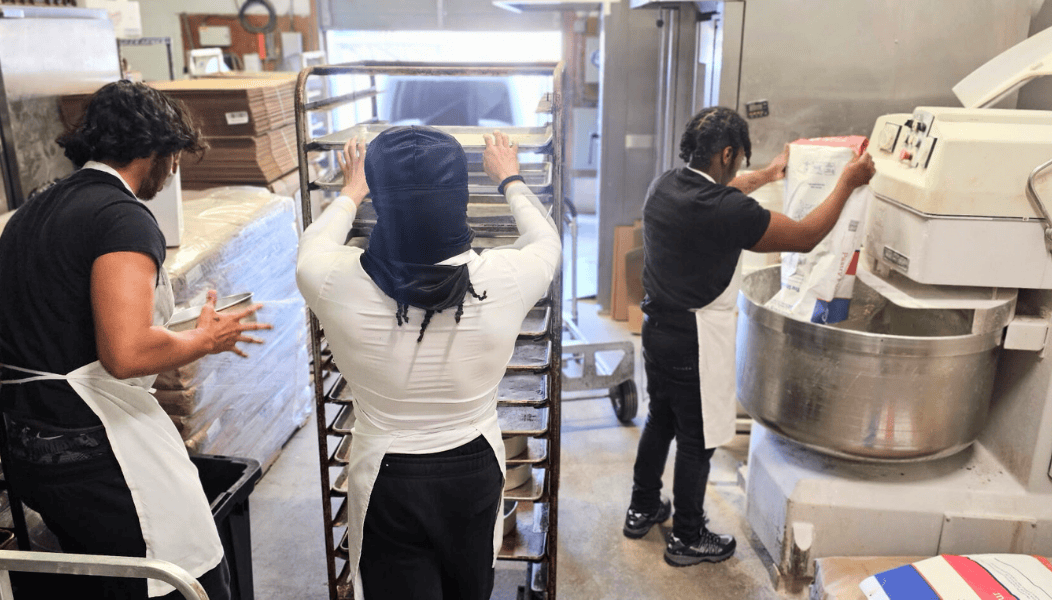
Youth chose from six art forms based on their interests and what was possible at each site: music production, DJ arts, anime and cartooning, podcasting, recording studio practices, and culinary arts. Nine teaching artists led the classes. Programs that connected to professional and career paths saw the most interest from participants, even though the Institute offers more disciplines overall.
Program Coordination and Adaptability
Darryl Gent, a longtime staff member and parent at the Institute, coordinated the program. He stressed that arts education plays an important role in helping youth rehabilitate within the juvenile justice system.
“It is great that the state provides opportunities like this to motivate youth to do better,” Gent said. “It’s a crucial part of their rehabilitation because it helps create inner healing and skills. Emotional healing is especially important for youth in the system.”
Keeping the program consistent across several secure facilities was challenging, especially with each site’s unique rules. Gent said that being flexible was key to the program’s success. By supporting teaching artists, working together, and adjusting lessons for each location, the Institute kept the program strong and met each facility’s needs.
Facilities Perspectives
Facility leaders also valued the Institute’s focus on long-term engagement. Joe Garba, Superintendent at Ocean Residential Community Home, spoke about the partnership's positive impact.
“What sets the Institute of Music for Children apart is its commitment to long-term engagement,” Garba said. “They offer a variety of programs and arts that keep residents engaged for long-term success by building motivation and pro-social behaviors.”
Garba also said the program helps youth heal, grow personally, and build positive social connections while in care.
Looking ahead, the Institute of Music for Children plans to keep working with public agencies to bring high-quality arts education to more justice-involved youth across New Jersey. To achieve this vision, we invite policymakers and stakeholders to consider increasing funding for statewide expansion and integrating arts education into reentry plans. By doing so, we can ensure that more youth in the juvenile justice system have access to these transformative programs, fostering rehabilitation and long-term success.